Painters in Hampton, VA: Interior & Exterior Painting
Careful prep, clean lines and paint chosen for coastal weather, inside and out.
In Hampton Roads, Paint Is Moisture Protection
On the outside of a house here, paint is not decoration alone. It seals wood trim, fascia and siding from humid air and driving rain. When paint fails, usually at a joint or a bare edge, water gets behind it, and a repaint turns into a carpentry repair.
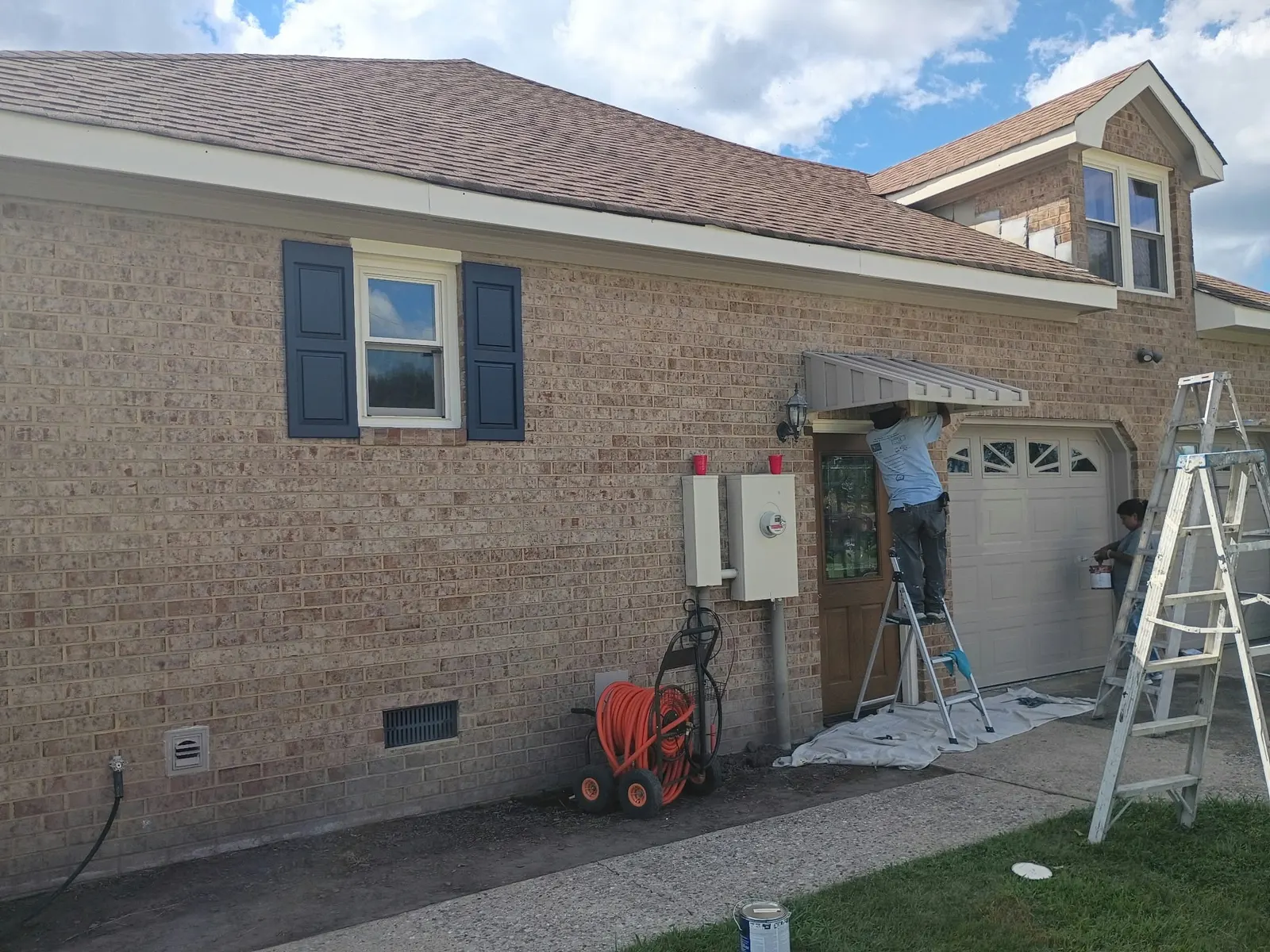
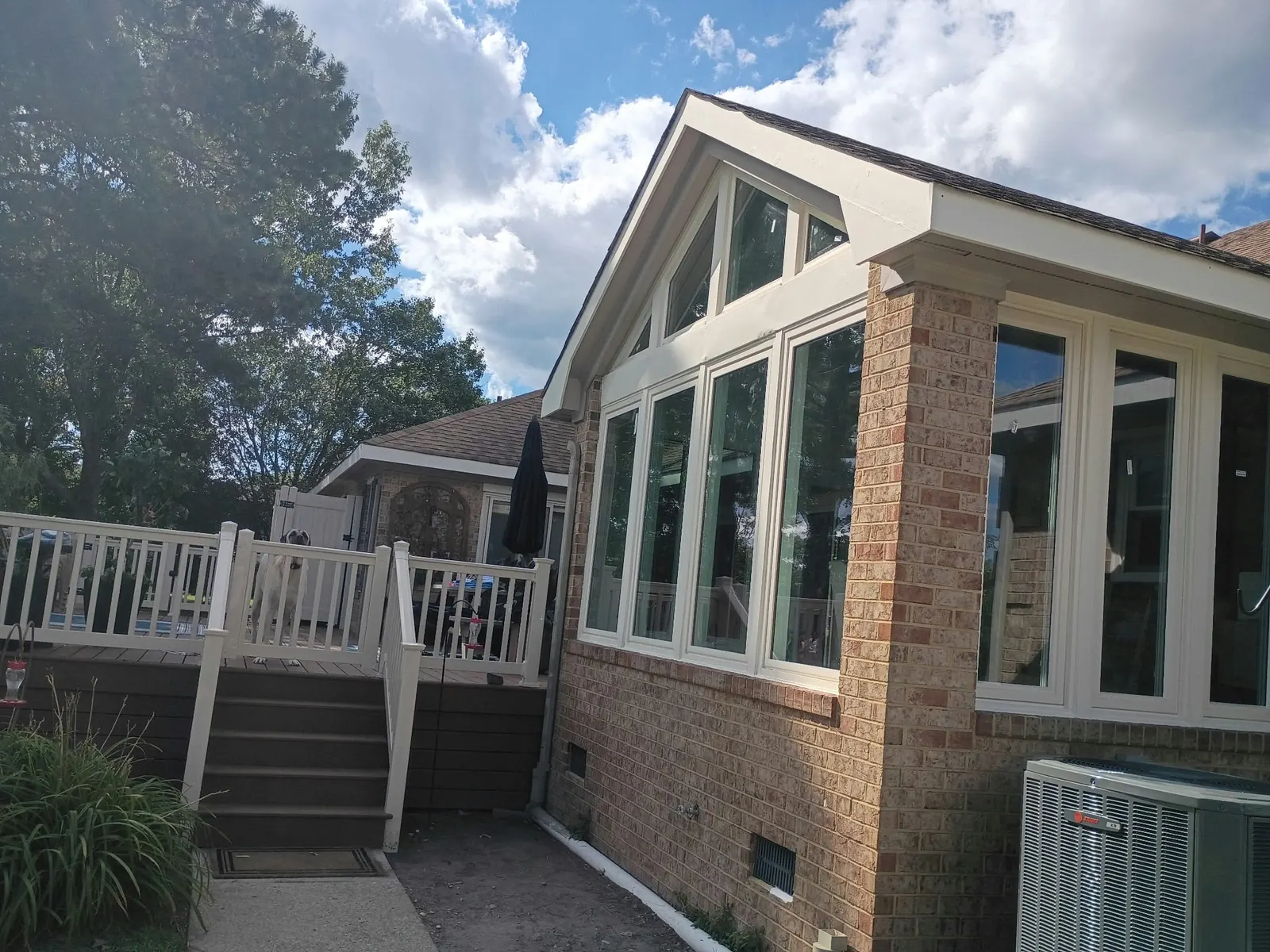
That is why we begin with the surface. We scrape and sand loose coatings, replace soft or split wood, caulk joints that have opened and prime anything bare before the first coat of finish goes on. On a brick home, trim, soffit, fascia, shutters and the garage door are where paint is most exposed, and where good prep pays back the most.
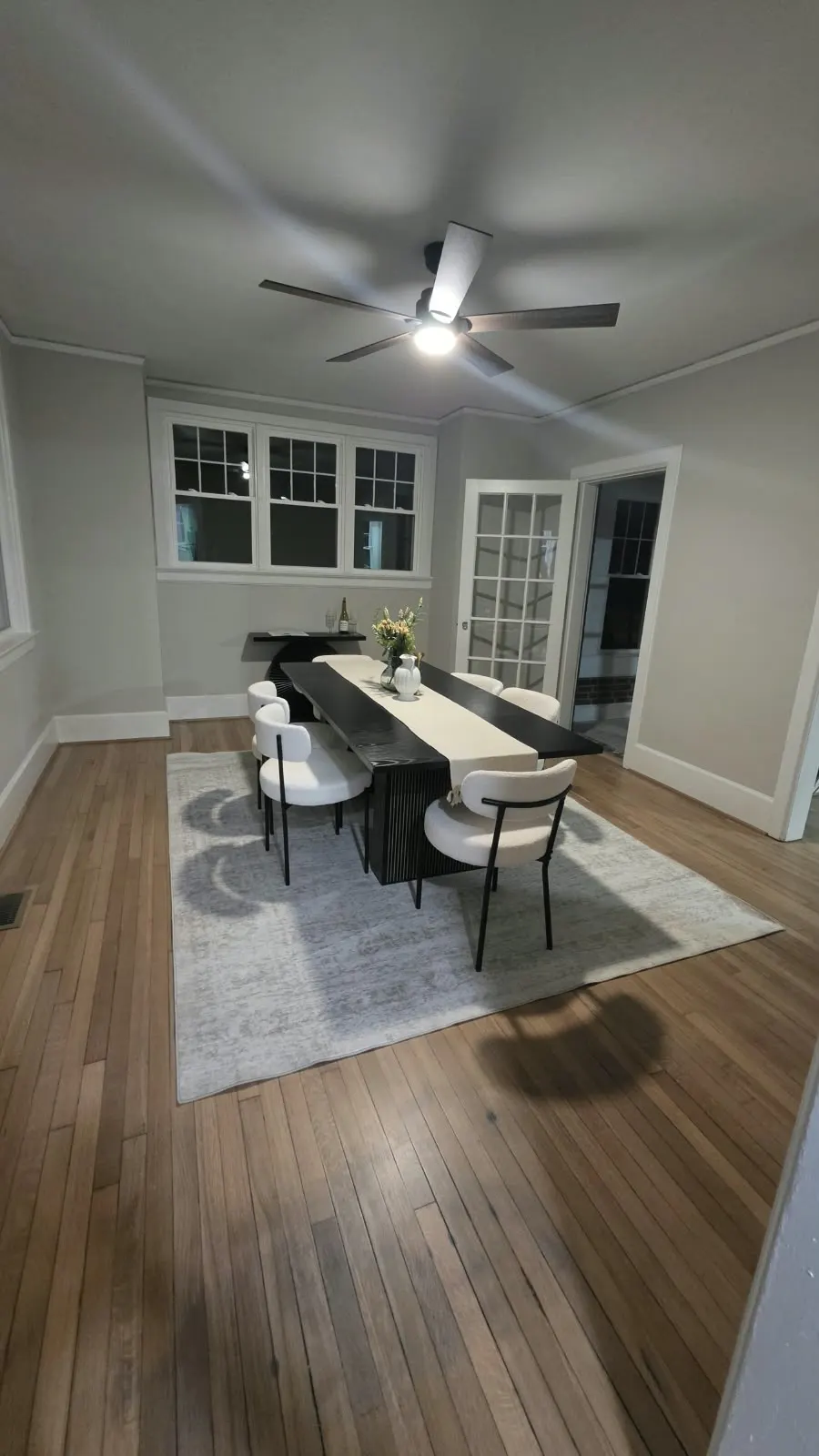
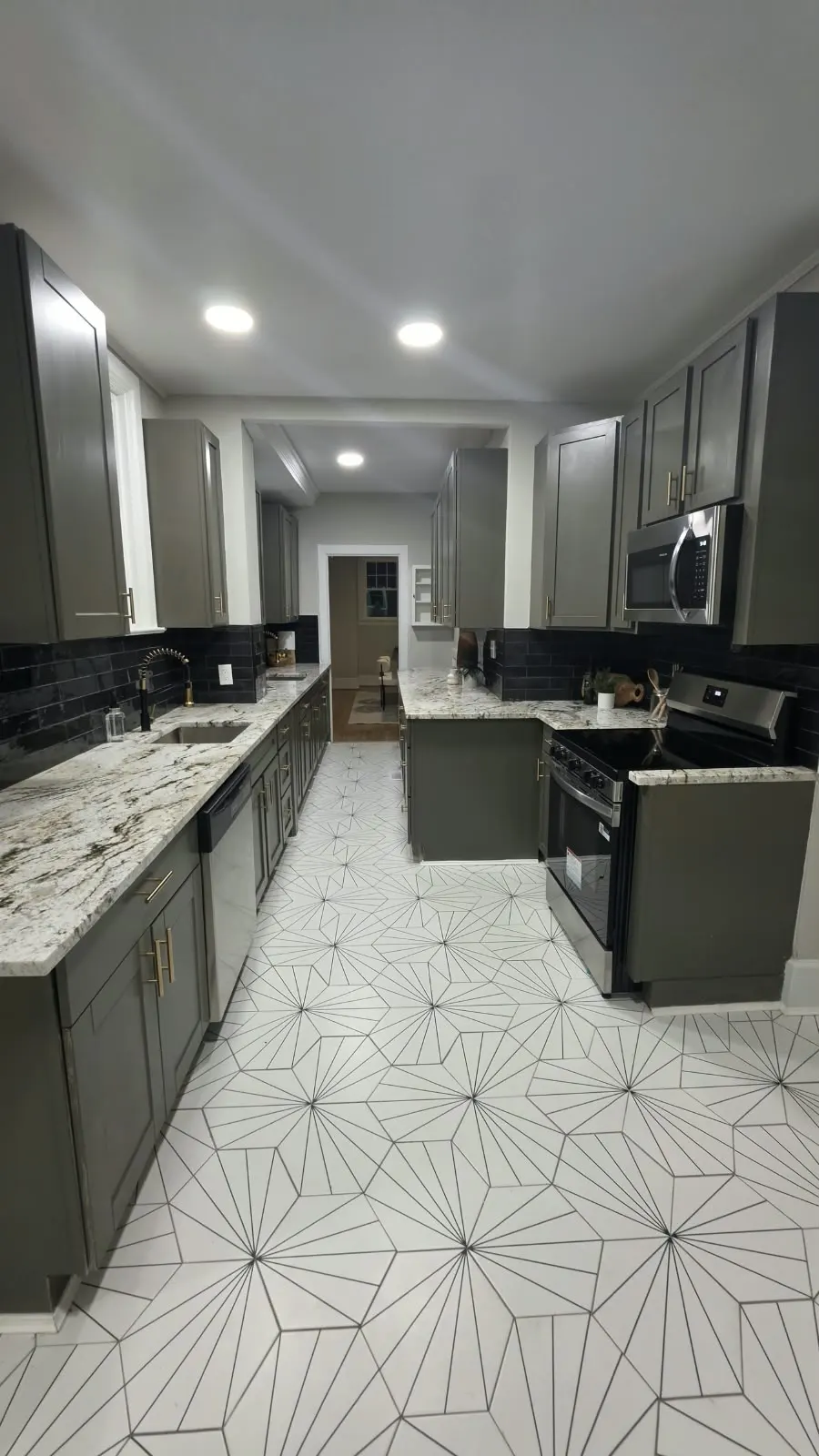
Inside, the work is quieter but just as detailed: patching nail holes and old repairs, cutting clean lines at ceilings and trim and covering floors and furniture. Whether you want a single room or the whole first floor refreshed after a remodel, the finish should look like the surface was never touched.
Prep Work Before the Paint
Signs It Is Time to Repaint
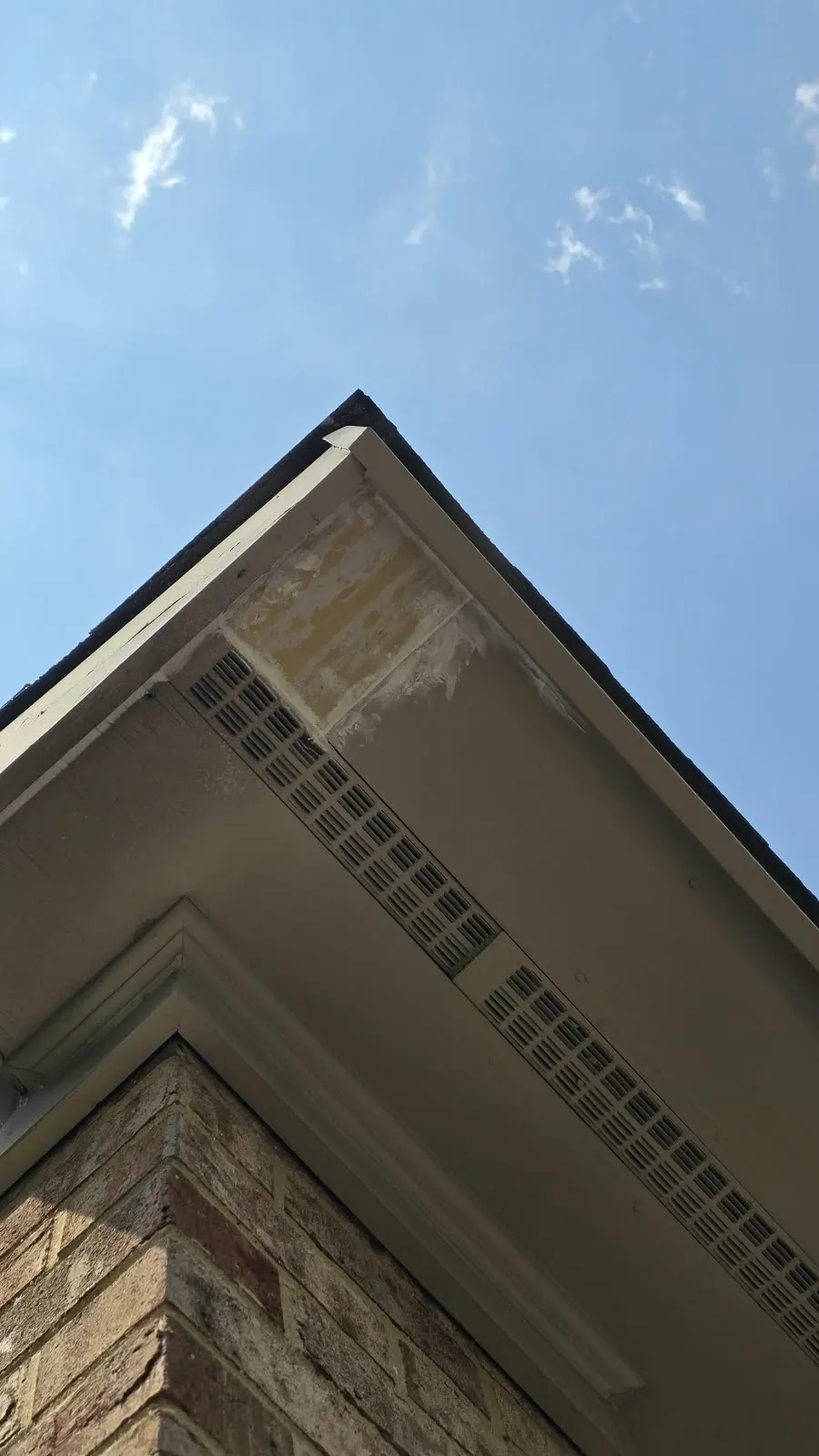
Peeling, bubbling or chalky paint
Bubbling means moisture is pushing through. Chalky paint has broken down in the sun and no longer protects.
Bare or gray wood on trim and fascia
Exposed wood absorbs water quickly and starts to rot from the edges.
Cracked caulk at windows and corners
Open joints let water behind the paint and the siding.
Walls with stains, scuffs or old patches
Interior repairs show through thin paint. Spot priming makes them disappear.
A color you have outgrown
Sometimes the surface is fine and the color is the problem. That is a good reason to paint on its own.
How a Painting Job Goes
- Walkthrough and color talkWe look at the surfaces, check for damage and talk through colors, sheen and which areas are included.
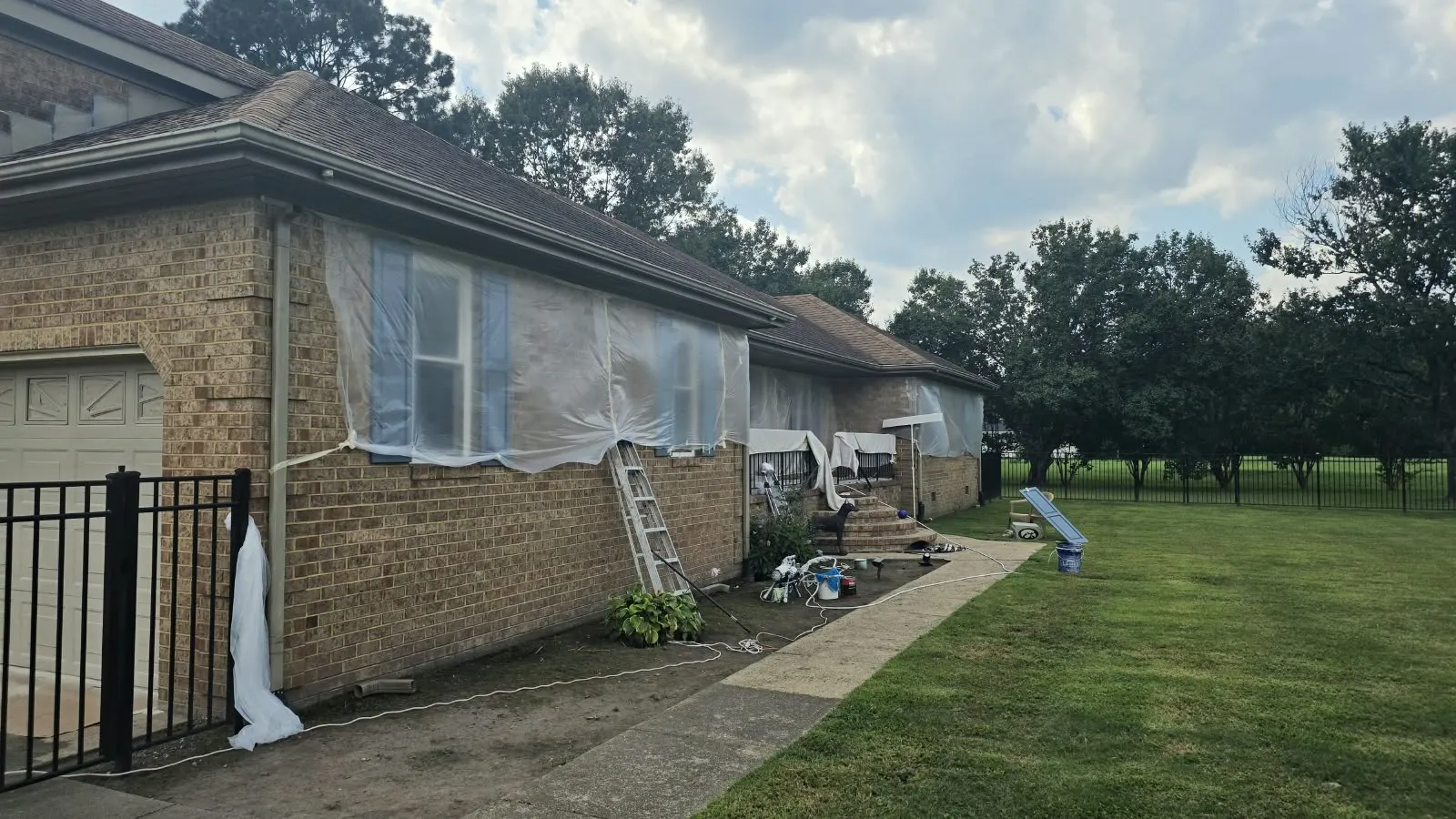
- Protect and prepFloors, shrubs, windows and fixtures are covered. Surfaces are cleaned, scraped, sanded and patched.
- Repair and caulkSoft wood is replaced, joints are caulked and bare spots are primed.
- PaintFinish coats are applied with clean cut lines, with enough drying time between coats.
- Final walkthroughWe inspect with you, touch up what needs it and remove all protection.
What Affects the Cost of Painting
Painting quotes depend on surface area and condition. These factors explain most of the difference between quotes.
- Square footage and number of stories. A two-story brick home with a lot of trim takes more time and equipment than a ranch.
- Surface condition. Heavy scraping, wood replacement and patching are labor, not paint.
- Colors and coats. A big color change or a dark-to-light switch usually needs primer and extra coats.
- Trim, doors and detail work. Cutting in around windows, crown and stair railings takes longer than flat walls.
- Paint quality. Better paint costs more per gallon and lasts longer outdoors.
Why Hampton Homeowners Hire 757 Contracting to Paint
Because we are a remodeling contractor, we repair what is under the paint. A painter who sees rot usually has to leave it; we can fix it, and that is why our paint jobs tend to last.
Johnny Mora stays involved on every job, from the color conversation to the final walkthrough, so what you picked is what ends up on the wall.
Where We Offer Painting
We paint homes in Hampton and across Hampton Roads. Brick colonials, cottages and ranches each need a slightly different approach to prep.
Painting FAQ
Do you paint interiors, exteriors or both?
Both. Interior painting covers walls, ceilings, trim and doors. Exterior painting covers siding, wood trim, fascia, soffit and doors. The prep is different for each: interior work is about patching and sanding, exterior work is about scraping, priming and sealing against moisture.
What does prep involve, and why does it matter so much?
Prep is most of the job. On the outside it means scraping loose paint, replacing soft wood, caulking gaps and priming bare spots. Inside it means patching holes, sanding glossy surfaces and cleaning grease and smoke. Paint over poor prep peels in a season; paint over good prep lasts for years.
When is the best time to paint a house exterior in Hampton Roads?
Spring and fall give the best windows: temperatures in the range most exterior paints need and lower humidity than mid-summer. We watch the forecast closely, because paint applied to damp surfaces or before a storm can fail early.
Can you paint brick?
Yes, but it is a one-way decision. Painted brick needs masonry primer and regular maintenance, and removing paint later is difficult. We talk through the look you want and whether staining, limewash or leaving the brick alone and painting only the trim might serve you better.
How many coats will my walls need?
It depends on the color change and the condition of the surface. Going from a dark wall to a light one often takes a primer and two finish coats. We tell you the plan in the quote so you know what is included.
Request A Free Painting Quote
Tell us which rooms or exteriors you want painted and we will walk through it and give you a free quote.